
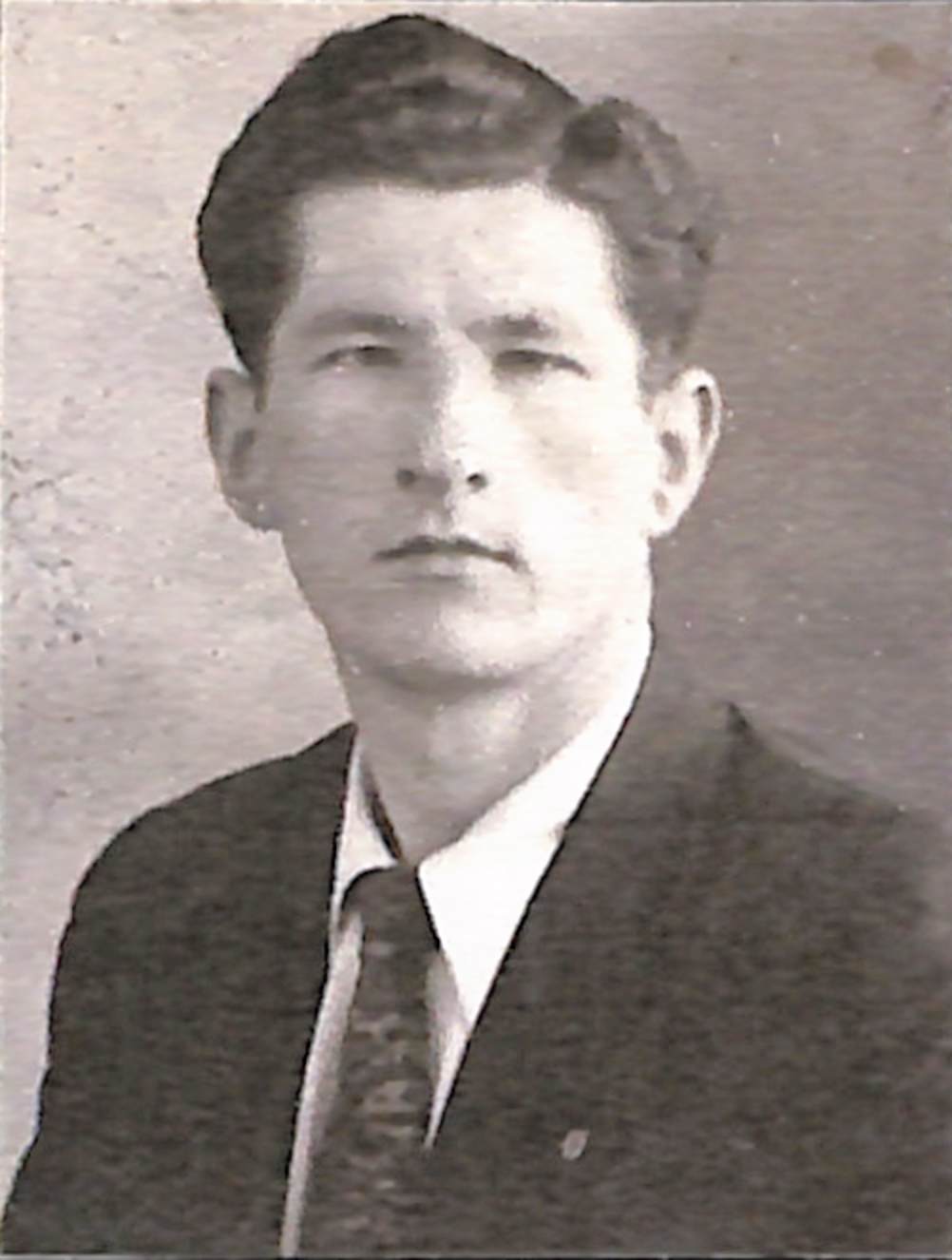
John Durning served aboard the corvette, HMS Alnwick Castle in the Arctic Convoys, JW63 and RA63.
It was October 23, 1944, when John received his draft. He soon found himself at one of many transit camps scattered around the country. During this time, he undertook various watch duties and training classes. Camp life didn’t agree with him at first. “Bloody miserable barracks this. Food lousy, huts freezing cold. Typical transit camp.”
One saving grace, however, were the various shows performed by ENSA – a group whose primary role was to entertain British armed forces during World War Two. John also enjoyed watching popular movies of the time, including The 39 Steps, Bell Bottom George and Destination Tokyo.
Four days later, John moved to ‘Pompey Barracks’, where things didn’t improve. “Hell of a place – had a job finding a space to sling my gear.”
John joined HMS Alnwick Castle on November 1 at Greenock, Scotland. He loved the proximity to family. While the ship underwent preparations for departure, John was able to return home three nights in every four – immediately raising his spirits.
In the following weeks, the ship went through various tests and maintenance before they departed for Tobermory, further north. Rough conditions were a sign of things to come. “Weather hellish. Most of crew seasick.”
Once they arrived, they pulled up alongside HMS Amberly Castle, where John was pleased to reunite with one of his friends. Despite seeing familiar faces, John soon grew restless and was ready to move on.
“Still at Tobermory. This must be the last place God made. It really is one hell of a dump. Coding exercise this morning. Hope we get out of here for Xmas.”
John’s wish was granted a few days later. It was December 23, 1944.
“Thank God we are leaving Tobermory at last. It has been one hell of a working up for the ship.”
The men were happy to arrive back in Greenock at midday on Christmas Eve – especially John, who was able to attend midnight Mass and spend quality time with loved ones. They had a wonderful Christmas – but despite these festivities, danger loomed on the horizon. John tried to alleviate his mother’s stress with some white lies.
“Told Mother we would be doing weather reporting off the coast of Ireland. It might stop her worrying.”
On December 28, they departed Greenock bound for Russia. There was already talk among the men about trouble encountered by previous convoys. “We seem to be in for a rough run on this one. Last convoy got subs and dive bombers all the way.”
They anchored in Loch Ewe the following day, awaiting rendezvous with the rest of the convoy – the place was packed with merchant ships loaded with locomotives, MTBs, Bren Gun carriers and tanks. John was issued warm clothing – duffle coat, scarves, jerseys and gloves. “They say Russia is one hell of a cold place.”
Tension was growing and some men tried to hide their nerves with humour and the sounds of Bing Crosby. “Most of the lads quite cheery but I think this will probably wear off after a bit.”
Convoy JW63 departed Loch Ewe on December 30, 1944. He would spend New Year’s Eve thinking about the perilous journey ahead and those at home.
“Nice way to spend Hogmanay – ‘ploughing the hoggin!’ Seas rough and our ‘Wee Boat’ would roll on a wet towel. Submarine contact last night – depth charges dropped by HMS Allington Castle. Another sub contact this morning. D23 steamed back into convoy, and we dropped depth charges. No aircraft – so far. Wonder how they are keeping Hogmanay at home. Temperature has dropped and it’s snowing like hell! 6.35pm Convoy speed about ten knots. At this rate it will take us till April to get anywhere.”
John started 1945 by eating a piece of cake in his hammock. This, however, was accompanied with detections of enemy submarine and aircraft – though it proved uneventful. “We picked up one of the subs and some guy let go a couple of depth charges – just for fun.”
The following days saw them battered with heavy seas, torrential rain and freezing cold. As they edged further north, numerous false alarms continued, and daylight became scarce. Submarines were detected again on January 4.
“More submarine contacts. Convoy is being shadowed by them all the way up. They will no doubt attack when we get into more restricted waters.”
Darkness and the enemy were closing in. U-boats were stalking them every inch of the journey and German aircraft soon joined.
“Two planes flying in circles around convoy out of range of our guns. Our carrier flew off planes to intercept and Jerry soon disappeared. Usual subs are still with us.”
Tension rose as they grew closer to their destination, with John writing on January 6: “1 hour of daylight. Air attack expected. Carriers flew off planes nearly all day. Plenty subs in vicinity. Someone on other side of convoy dropped depth charges with no result.”
They sighted land the next day – their first glimpse since departure. It was covered in snow and ice. “Looks menacing and very deserted. 6.30pm still hanging about waiting to get into Polyarnoe harbour. Snow deep on quarterdeck. Black as hell outside. Visibility nil. Very cold – a penetrating cold that gets right into your bones. Sea rising – promises to be very bad.”
On January 8, they finally entered the harbour and moved to anchorage. It was brutally cold when John went ashore. It was to leave an impression, putting some of his recent challenges in perspective.
“What a dump. Walked into what passes for a town. It appears to be a place where they send people from all over the country to what amounts to almost slave labour unloading ships. It is covered in snow and the housing is primitive. We saw a communal toilet which was a large circular wooden hut with a deep pit in the centre and cubicles all round with a plank to sit on. Men and women were not separated, and the pong was appalling.
The houses are made of wood and no more than huts. We met a man who had been at Edinburgh University studying law and he took me to see his home. It was very basic, and the walls were papered with copies of Pravda to keep out the cold. We think we are badly done by, but God help these poor souls. Bartered cigs and gear. I got a couple of knives for a packet of fags and a bar of soap.”
John ventured ashore again the next day and participated in a memorable football game. “…played football in a temperature about thirty below zero. You daren’t touch anything metal or it will burn the skin off you.”
On January 11, 1945, they departed Russia at 3.00am on Convoy RA63. It was freezing and pitch black. The following day saw weather rapidly deteriorate and large storms emerging. It was an ominous beginning to their return journey. “This feels like the start of a real stinker.”
The storm arrived on January 13. “Ship rolling all over the place. All gear anchored and ship battened down. All we can do is hope and pray.”
On January 14, the decks and rigging were inches thick with ice and entry to the upper deck was forbidden. The storm finally abated the next day – only to be replaced with the enemy.
“Two planes shadowing us all morning and most of the afternoon. Subs around all night. Hands chipping ice from decks and rigging all afternoon. Temp still seven below zero. HMS Allington Castle lost man overboard at 10.00am this morning. Heard that plane crashed two days out from Polyarnoe on way up. First sub report 8.21pm. Second sub report 9.12pm. We may very well cop it soon.”
Just as the enemy was building, the violent storms decided to return. On January 16, John made his final diary entry:
“Very cold. Another gale rising. Promising to be very severe. Afternoon gale increasing in force. Convoy splitting up right and left. Night – rolling like blazes. Action stations – drenched with spray on bridge. Water coming down voice pipe 12 to W/T office.”
The following nights brought severe conditions, with numerous ships experiencing weather damage. Some of them were forced to escape and seek shelter among the Faroe Islands.
The brutal weather, terrifying as it was, proved a kind of blessing. When they arrived in Loch Ewe on January 21, they did so with all 65 ships getting through. No loss.
John survived the war. He later became a prominent member of the Russian Convoy Club, attending numerous meetings and reunions with his fellow brave sailors who participated in these treacherous Arctic Convoys.